Blog
LEDERER: The Science of Time, the Pursuit of Mechanical Truth A Watchmaker’s Lifelong Quest to Rethink Precision

A Watchmaker’s Lifelong Quest to Rethink Precision
In the world of haute horlogerie, innovation is often expressed through increasingly elaborate complications, unconventional displays, or the visual spectacle of mechanical architecture. Yet there is a more fundamental frontier in watchmaking, one that lies beneath the dial and beyond the immediate impression of a timepiece: the regulation of time itself.
For Bernhard Lederer, this frontier has been the defining subject of an entire career.
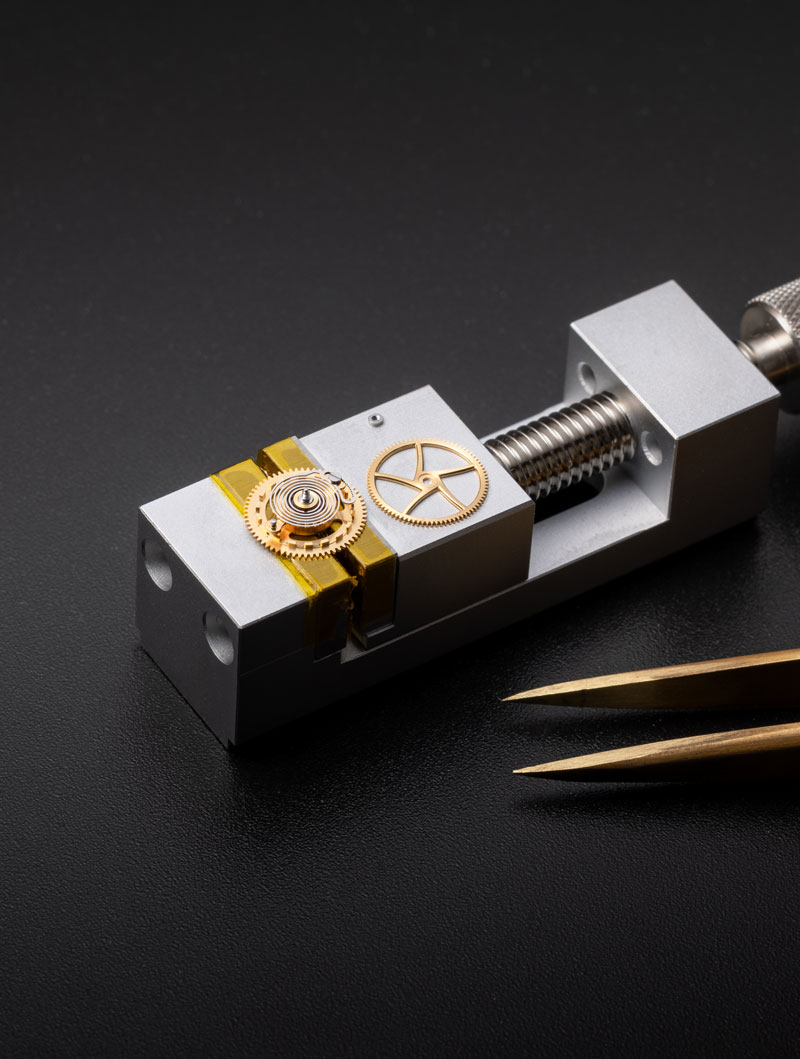
LEDERER is an independent Swiss watchmaking manufacture built around a remarkably focused ambition: to understand, refine, and challenge the mechanisms responsible for the precision of mechanical timekeeping. Rather than treating the escapement as a component whose design has already been sufficiently resolved, Lederer approaches it as an enduring field of research. His watches are not simply expressions of craftsmanship. They are the physical outcomes of a long intellectual investigation into energy, oscillation, friction, mechanical stability, and the relationship between historical horological principles and contemporary engineering.
The Central Impulse Chronometer, the creation that brought the manufacture international recognition, is perhaps the clearest expression of this philosophy. Its significance extends beyond the complexity of its movement. It represents an attempt to revisit one of the most important problems in the history of mechanical watchmaking and to develop a solution suitable for a modern wristwatch.
This is what distinguishes LEDERER within the landscape of independent watchmaking. Its identity is not primarily built upon decorative extravagance or a recognizable aesthetic signature. It is built upon the mechanics of time.
Bernhard Lederer: A Life Shaped by the Escapement
Bernhard Lederer was born in 1958 in Kornwestheim, near Stuttgart, Germany. His professional journey began in 1976, when he entered an apprenticeship at the Wuppertal Clock and Watch Museum. This environment offered a particular kind of education. Working among historical clocks and mechanisms meant encountering the accumulated knowledge of generations of watchmakers, not simply as finished objects, but as systems that could be examined, restored, understood, and questioned.
He subsequently completed his master watchmaking qualification in Pforzheim in 1984. In 1985, he became a member of the Académie Horlogère des Créateurs Indépendants, AHCI, one of the earliest and most respected institutions representing independent watchmakers.
This early affiliation is significant. The AHCI has historically provided a platform for watchmakers whose work is defined by individual authorship, technical experimentation, and the development of original horological ideas. Lederer entered this world at a time when independent watchmaking was not yet the highly visible cultural and commercial phenomenon it would later become.
His early work already revealed an interest in mechanisms that went beyond conventional wristwatch construction. In 1986, he presented a remarkable table clock as his diploma masterpiece. It incorporated a gravity escapement and an elaborate perpetual calendar designed to require extraordinarily infrequent correction. The project demonstrated an approach that would remain central throughout his career: mechanical ingenuity should be directed toward a specific horological problem, and the solution should be understood as a complete system.
The gravity escapement, in particular, reflects an enduring fascination with the way energy can be delivered to a regulating organ. Instead of relying exclusively on the conventional interaction between a wheel and an escapement mechanism, gravity escapements use carefully controlled gravitational force to provide impulses. Their historical development reveals the persistent ambition of clockmakers to reduce disturbances and improve the regularity of timekeeping.
Lederer’s interest in these principles would eventually lead him toward some of the most ambitious projects in contemporary watchmaking.
From Restoration to Independent Creation
Lederer’s early professional experience involved restoration and the study of historical mechanisms. Restoration is an especially demanding discipline because it requires the watchmaker to understand not only how a mechanism should operate, but also how its original designer intended it to function.
A restorer must distinguish between wear, original construction, later intervention, and the mechanical compromises of a particular historical period. This process develops a deep sensitivity to the relationship between geometry, materials, friction, and long-term reliability.
For Lederer, this knowledge became a foundation for invention.
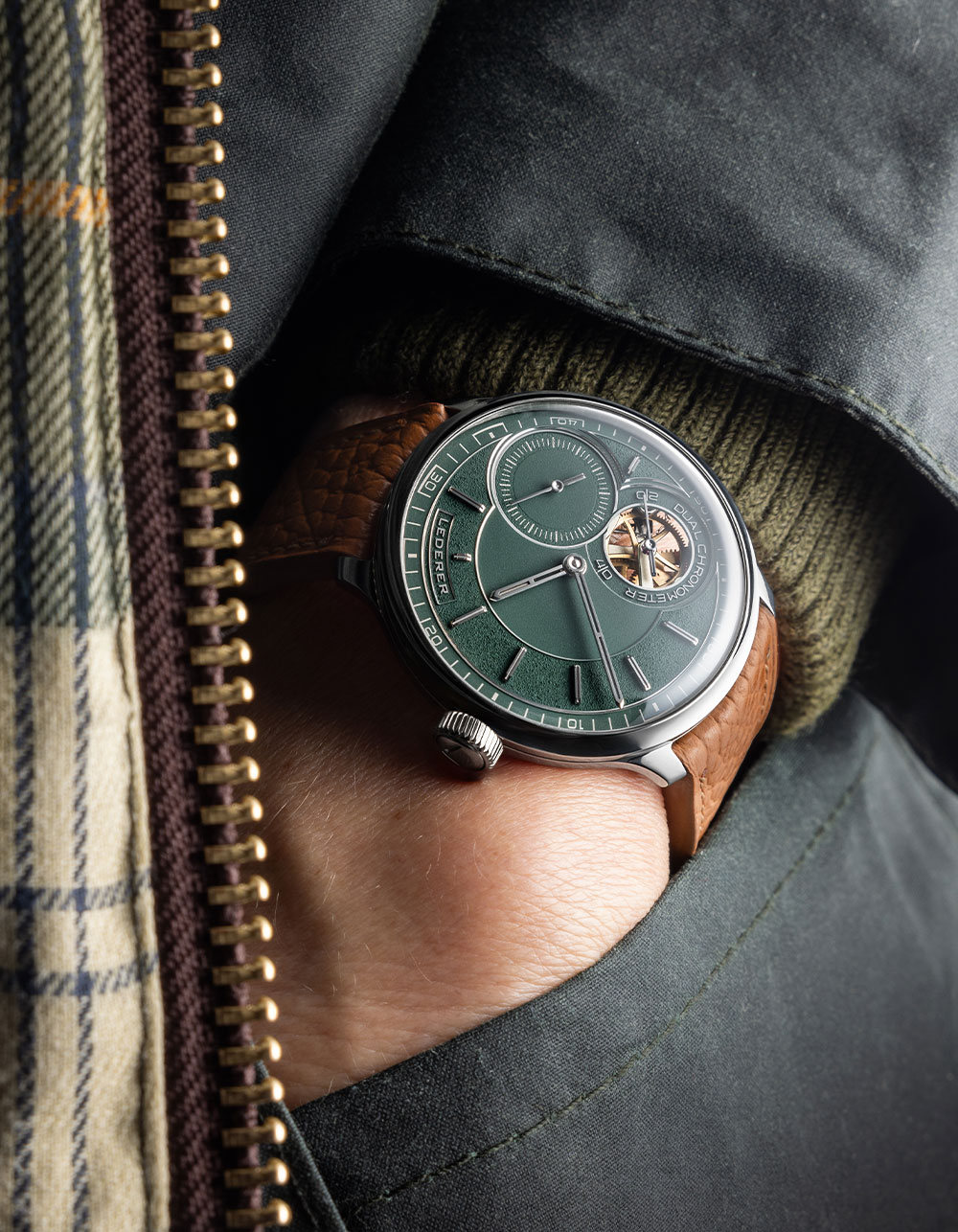
His early independent creations explored unconventional displays and mechanical concepts. The Time Dimension project, associated with orbital displays, and the later BLU Majesty Tourbillon collection demonstrated a willingness to depart from conventional wristwatch architecture. The Majesty MT3, introduced in the mid-2000s, combined three tourbillons in an unusual construction. The Gagarin Tourbillon, introduced in 2011, transformed the tourbillon into an orbital display inspired by Yuri Gagarin’s historic spaceflight.
These creations reveal another dimension of Lederer’s personality. His work is not exclusively concerned with chronometric purity. He is also capable of creating watches in which mechanics become a visual and conceptual experience.
Yet even these more expressive projects share a common foundation. The mechanism is not an incidental feature added to a design. It is the principal source of the design.
BLU: The Universe Before the Chronometer
In 2000, Lederer established BLU, or BLU Source du Temps, in Neuchâtel, Switzerland. The name was associated with his personal universe of watchmaking, and the brand became a platform for a broader exploration of mechanical creativity.
BLU offered a different expression of Lederer’s ideas. Its watches frequently explored unconventional arrangements, unusual displays, and complex movements. The brand demonstrated that independent watchmaking could operate outside the traditional visual codes of established Swiss manufactures.
The transition from BLU to the contemporary LEDERER identity is not a rejection of this earlier period. It is a narrowing and intensification of the central ambition.
Where BLU explored a wider universe of mechanical expression, LEDERER places the escapement and chronometry at the center of its identity. The result is a more concentrated body of work, one in which the technical objective becomes more explicit.
This distinction is important when considering the brand today. LEDERER is not simply the latest chapter in a designer’s career. It represents the maturation of an individual watchmaker’s research, with the Central Impulse Chronometer serving as the central statement.
The Escapement: The Heart of Mechanical Timekeeping
To understand LEDERER, it is necessary to understand why the escapement matters.
A mechanical watch stores energy in its mainspring. This energy is transmitted through a train of wheels toward the regulating organ, usually a balance wheel oscillating in combination with a hairspring. The escapement performs two essential functions: it releases energy in controlled increments and provides impulses that sustain the oscillation of the balance.
The balance acts as the timekeeping reference. Its oscillation determines the rate at which the watch advances.
However, the system is not perfect. The energy supplied by the mainspring changes as it unwinds. Friction affects the movement of components. The escapement introduces disturbances into the balance. The position of the watch, temperature, lubrication, and external shocks can all influence its performance.
The challenge is not merely to make a watch run. It is to make the regulating organ receive energy as consistently and with as little disturbance as possible.
The Swiss lever escapement, which became the dominant architecture in modern mechanical wristwatches, represents a highly refined solution to this problem. Its reliability, efficiency, and manufacturability have made it extraordinarily successful.
But success does not mean that every theoretical possibility has been exhausted.
For Lederer, the escapement remains a field in which fundamental principles can be reconsidered. His research draws upon the work of Abraham-Louis Breguet and George Daniels, two figures whose contributions to escapement development continue to influence contemporary horology.
Breguet, Daniels, and the Natural Escapement
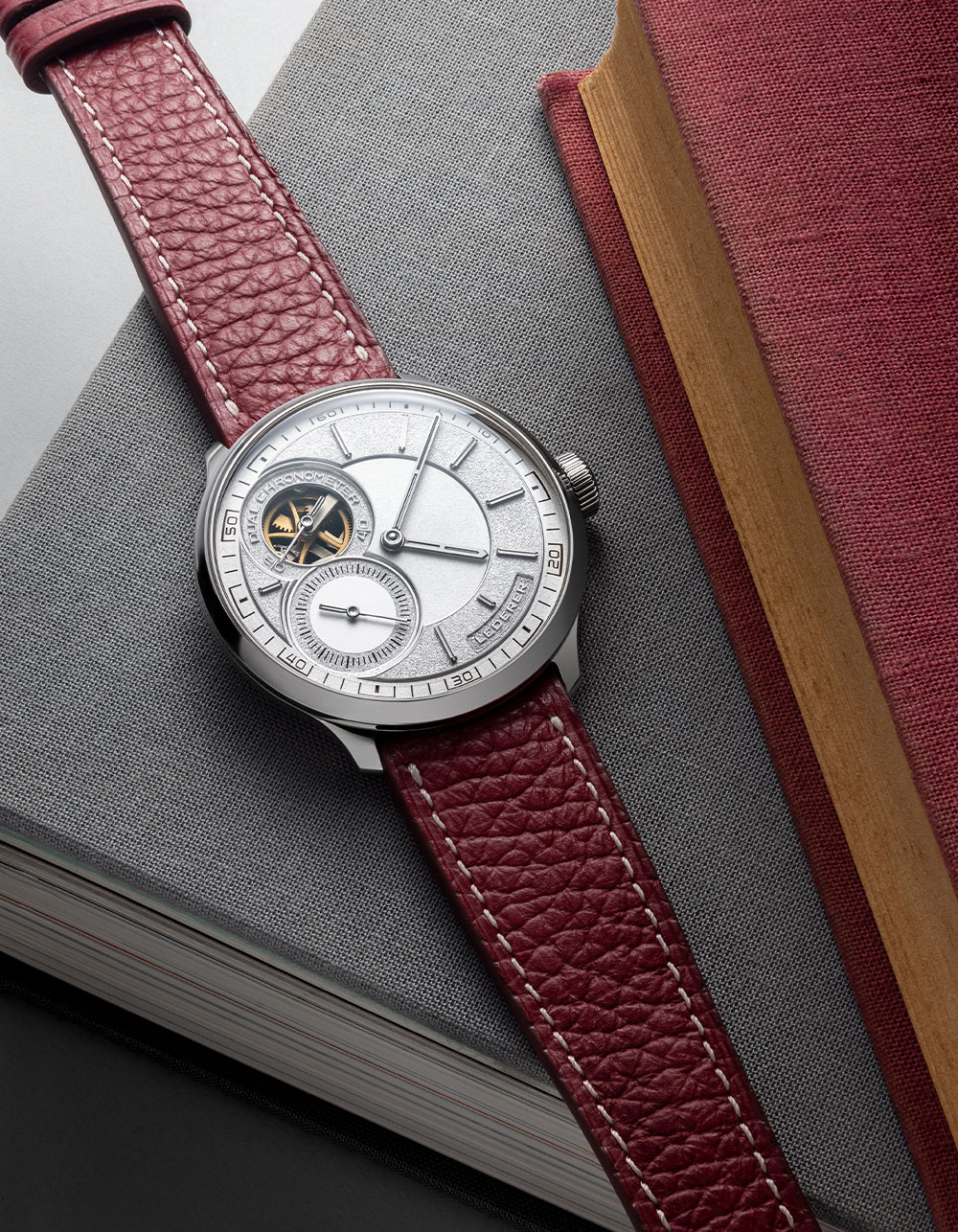
The intellectual foundation of the Central Impulse Chronometer can be traced to Abraham-Louis Breguet’s natural escapement and George Daniels’ independent double-wheel escapement.
Breguet’s natural escapement sought to deliver direct impulses to the balance, reducing dependence on the sliding friction associated with conventional escapement designs. The idea was compelling: direct impulse could potentially improve efficiency and reduce the need for lubrication at certain contact points.
However, the natural escapement presented significant practical difficulties. Its architecture involved additional wheels and energy demands, and the system was vulnerable to mechanical limitations such as inertia and backlash.
George Daniels revisited this concept through his independent double-wheel escapement. His work demonstrated a way to deliver impulses directly to the balance using two escape wheels, each operating through a separate train of energy transmission.
Daniels’ achievement was extraordinary, but adapting this architecture to a practical wristwatch remained a demanding challenge.
Lederer took this intellectual lineage as the starting point for his own research.
The Central Impulse Chronometer does not simply reproduce Breguet’s or Daniels’ ideas. It seeks to develop them into a complete wristwatch movement, addressing the practical requirements of miniaturization, energy delivery, precision, and reliability.
This relationship with horological history is central to the brand’s identity. Lederer does not approach the past as a source of decorative inspiration. He approaches it as a body of technical knowledge that can still be advanced.
The Central Impulse Chronometer: A Mechanical Investigation
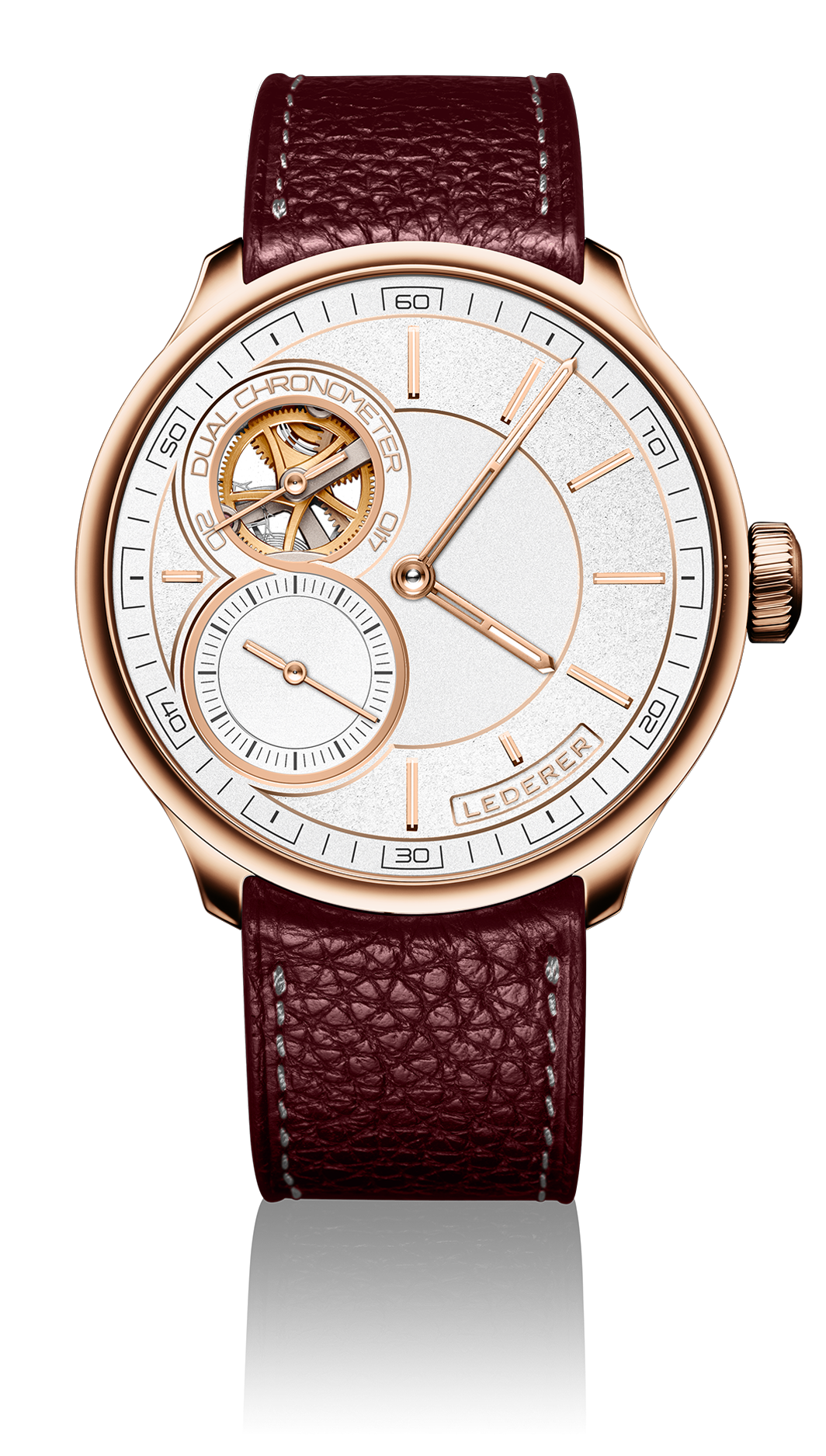
The Central Impulse Chronometer, or CIC, was presented in 2021 after approximately a decade of development. It received the Innovation Prize at the Grand Prix d’Horlogerie de Genève in the same year.
The movement is built around an independent double-wheel escapement. Each escape wheel is supplied by its own gear train and mainspring barrel. The two trains operate in coordination, delivering impulses directly to the balance.
This is a fundamentally different architecture from the conventional arrangement in which a single train supplies a traditional Swiss lever escapement.
The advantage is not simply the presence of two escape wheels. The independent structure allows the system to be designed around a more controlled delivery of energy to the balance.
However, two independent gear trains also introduce a major engineering challenge. Each train must maintain its own energy transmission, while the two systems must work together with precise timing. The architecture is inherently more demanding in terms of space, component geometry, energy management, and adjustment.
Lederer addresses this challenge through two remontoirs d’égalité.
The Remontoirs d’Égalité: Controlling the Flow of Energy
The remontoir d’égalité is a constant-force mechanism. Its purpose is to reduce the variations in torque that occur as the mainspring unwinds.
In a conventional mechanical movement, the balance and escapement receive energy that is influenced by the changing force of the mainspring. Although the balance and hairspring regulate the rate, variations in the energy reaching the escapement can influence its performance.
A remontoir introduces an intermediate energy-storage mechanism. It periodically replenishes a small spring, which then delivers energy to the escapement over a controlled interval.
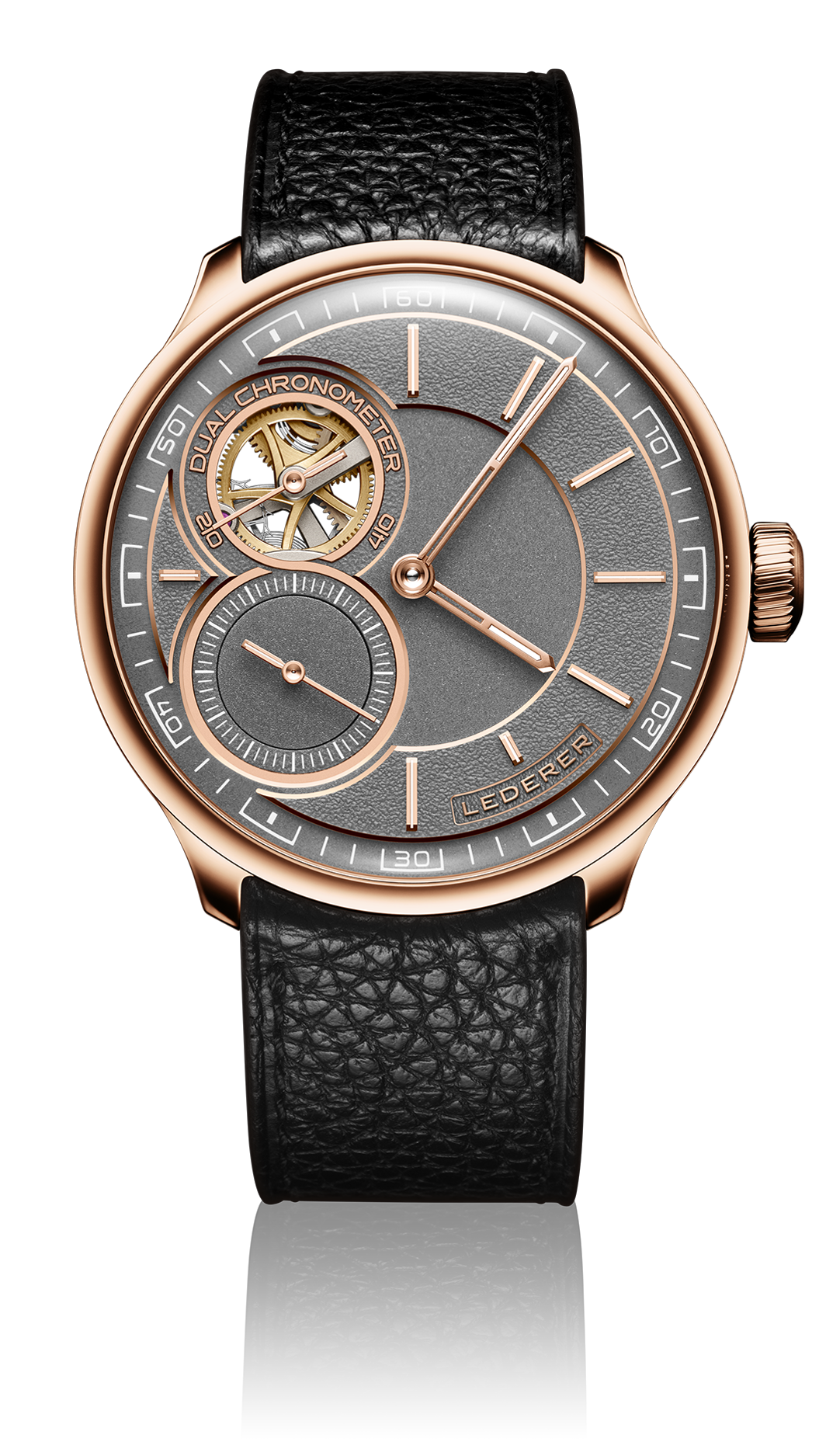
In the Central Impulse Chronometer, each independent gear train incorporates its own remontoir. These mechanisms work in alternation, helping to provide a more consistent impulse to the balance.
The CIC’s remontoirs recharge at ten-second intervals, operating in tandem so that the system delivers impulses in a coordinated rhythm. This mechanical cadence is not merely a technical detail. It becomes part of the watch’s observable behavior.
The movement is designed to reduce the influence of variations in mainspring torque and to improve the consistency of energy delivery.
It is important, however, to distinguish between the intention of the architecture and the performance of an individual watch. Constant-force mechanisms can contribute to chronometric stability, but precision remains dependent on the complete movement, its adjustment, its operating conditions, and its testing.
The achievement of the CIC lies in the integration of these systems into a wearable wristwatch, not in the isolated existence of any single mechanism.
A Movement That Reveals Its Own Logic
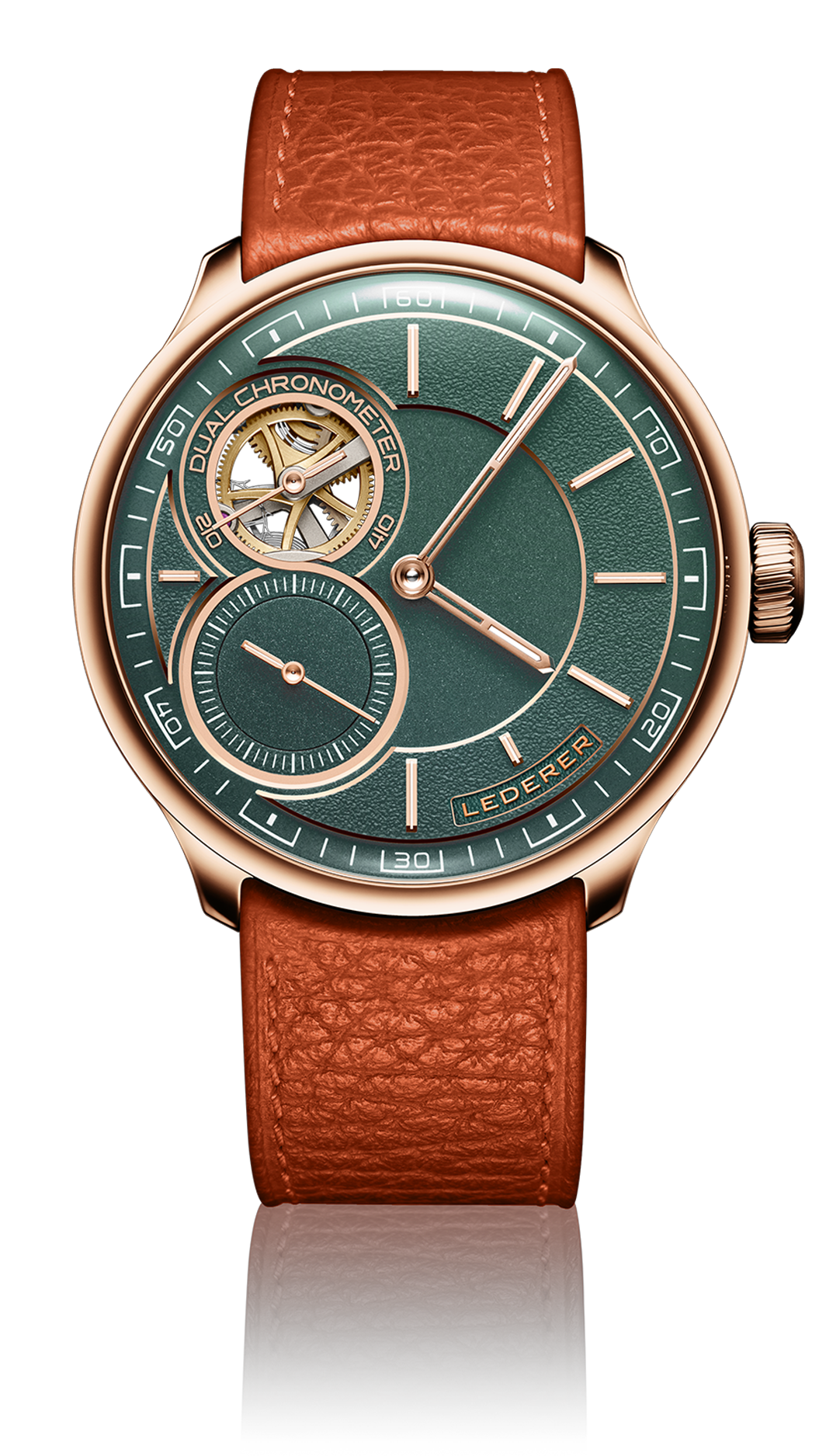
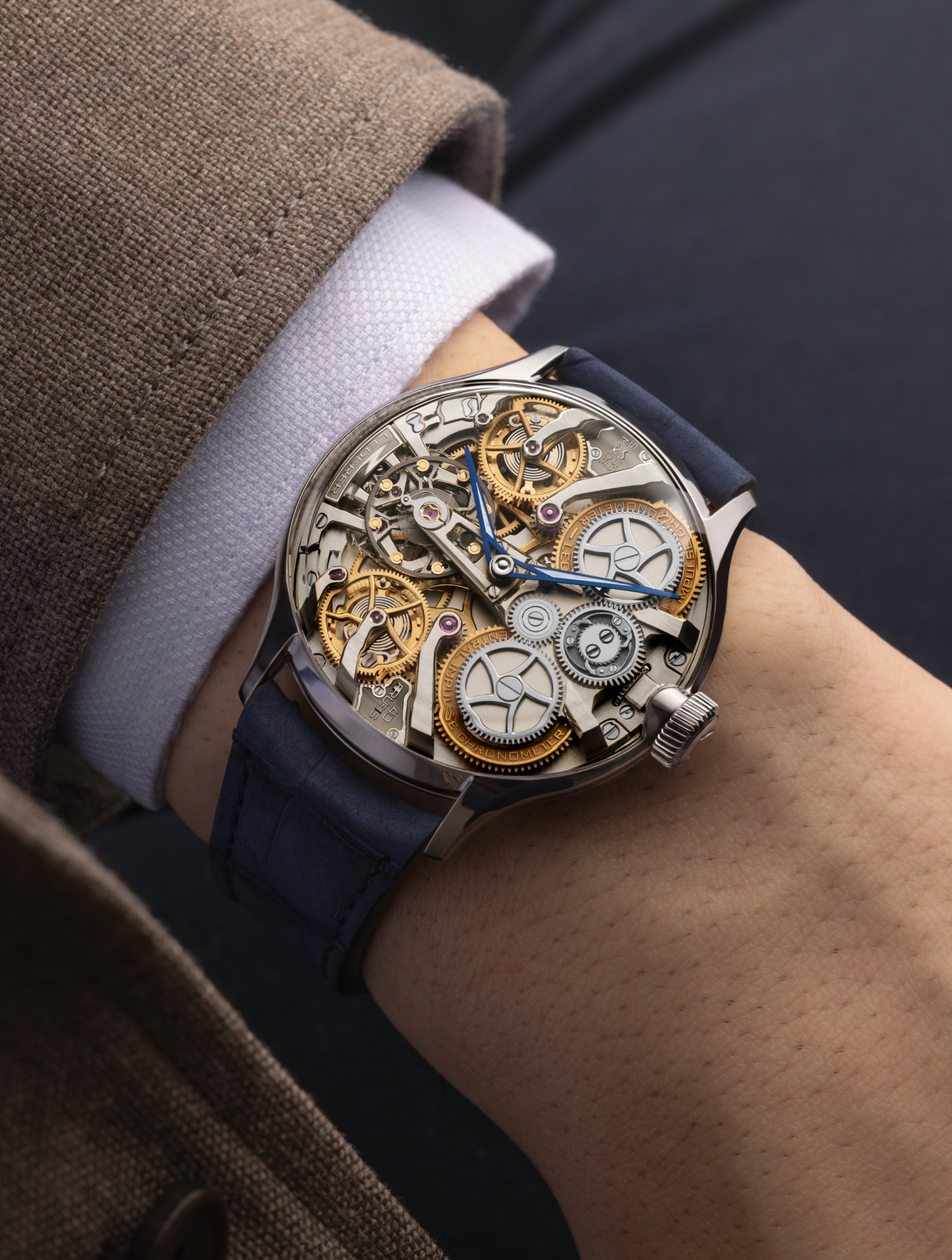
The Central Impulse Chronometer is visually distinctive because its mechanical architecture is not hidden behind a conventional dial.
The movement’s twin trains, escapement wheels, and constant-force mechanisms form an intricate composition. The design allows the wearer to observe the relationship between the components rather than simply admire a decorative arrangement of gears.
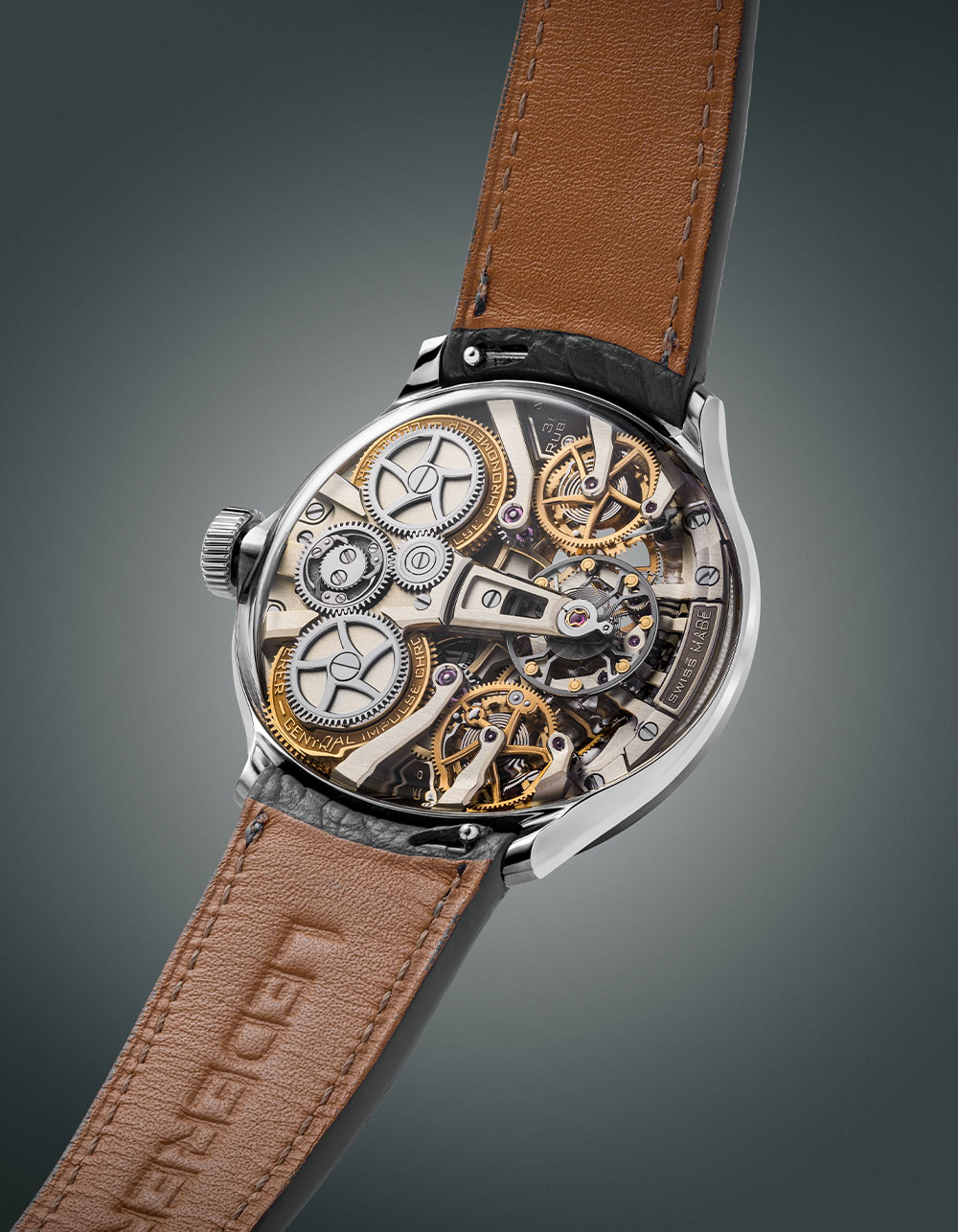
The visual experience is particularly compelling through the sapphire caseback, where the movement’s layered architecture becomes apparent. Bridges, wheels, and mechanisms are arranged with a sense of depth that is closer to a mechanical landscape than a flat technical diagram.
This quality has been repeatedly highlighted in independent hands-on reviews. Reviewers have described the movement as unusually three-dimensional, with its construction inviting observation from different angles. The movement’s architecture is one of the reasons the CIC is so compelling even to those who may not immediately understand the technical principles behind it.
The dial itself has evolved across different editions. Early versions used overlapping apertures that revealed elements of the escapement and the movement’s two seconds indications. The guilloché patterns and restrained display created a tension between traditional elegance and mechanical transparency.
The CIC is therefore not a purely technical object. Its visual language communicates the movement’s complexity without relying on an aggressively industrial aesthetic.
The mechanism is allowed to become the design.
CIC 44: The Original Expression
The original Central Impulse Chronometer was presented in a 44 mm case, with a movement measuring approximately 39.3 mm in diameter and 5.98 mm in thickness.
Its hand-wound calibre incorporated two barrels, two independent gear trains, two remontoirs d’égalité, and the double-wheel escapement. Depending on the version and published specifications, the movement’s component count is described around the 208 to 212 range.
The original watch was offered in precious-metal cases, including rose gold and white gold, with variations in dial treatment. The openworked versions provided a more direct view of the movement’s mechanical logic, while more restrained versions emphasized the contrast between a traditional watch exterior and a highly unusual calibre.
The 44 mm case is a substantial presence on the wrist. Its proportions are part of the design’s visual identity, but they also represent a practical consideration for collectors.
Independent reviews have praised the movement and its finishing while acknowledging that the original case dimensions may not suit every wearer. The size is not necessarily a flaw. It is a consequence of accommodating a movement whose architecture is considerably more demanding than that of a conventional three-hand watch.
Nevertheless, the question of wearability would become important in the subsequent evolution of the CIC.
CIC 39: The Challenge of Miniaturization
In 2024, Lederer introduced the Central Impulse Chronometer in a 39 mm case.
This development was more than a reduction in diameter. It represented an important engineering milestone: adapting one of the most complex escapement architectures in modern wristwatch making to a significantly smaller format.
The independent double-wheel escapement had long been regarded as exceptionally difficult to miniaturize for wristwatch use. Each escape wheel requires its own complete gear train and power source. The resulting architecture demands a carefully controlled allocation of space and energy.
The CIC 39 demonstrates that the system can be integrated into a more compact wristwatch.
The movement retains the twin barrels, twin gear trains, two constant-force mechanisms, and independent escapement wheels. The case measures 39 mm in diameter and approximately 10.75 mm in thickness in the Longitude expression, offering a more balanced and contemporary wrist presence.
This transition was widely regarded by specialist publications as a meaningful improvement in wearability. Revolution Watch emphasized the significance of the downsizing, while Fratello’s hands-on assessment of the CIC 39 Longitude described the smaller case as a more manageable platform for Lederer’s complex movement.
The CIC 39 is a particularly important chapter in the brand’s evolution because it demonstrates that mechanical ambition does not have to result in increasingly large watches.
The technical challenge becomes even more impressive when the architecture is compressed without abandoning its essential principles.
CIC 39 Longitude: Precision with a More Restrained Face
The CIC 39 Longitude introduced a more understated design language.
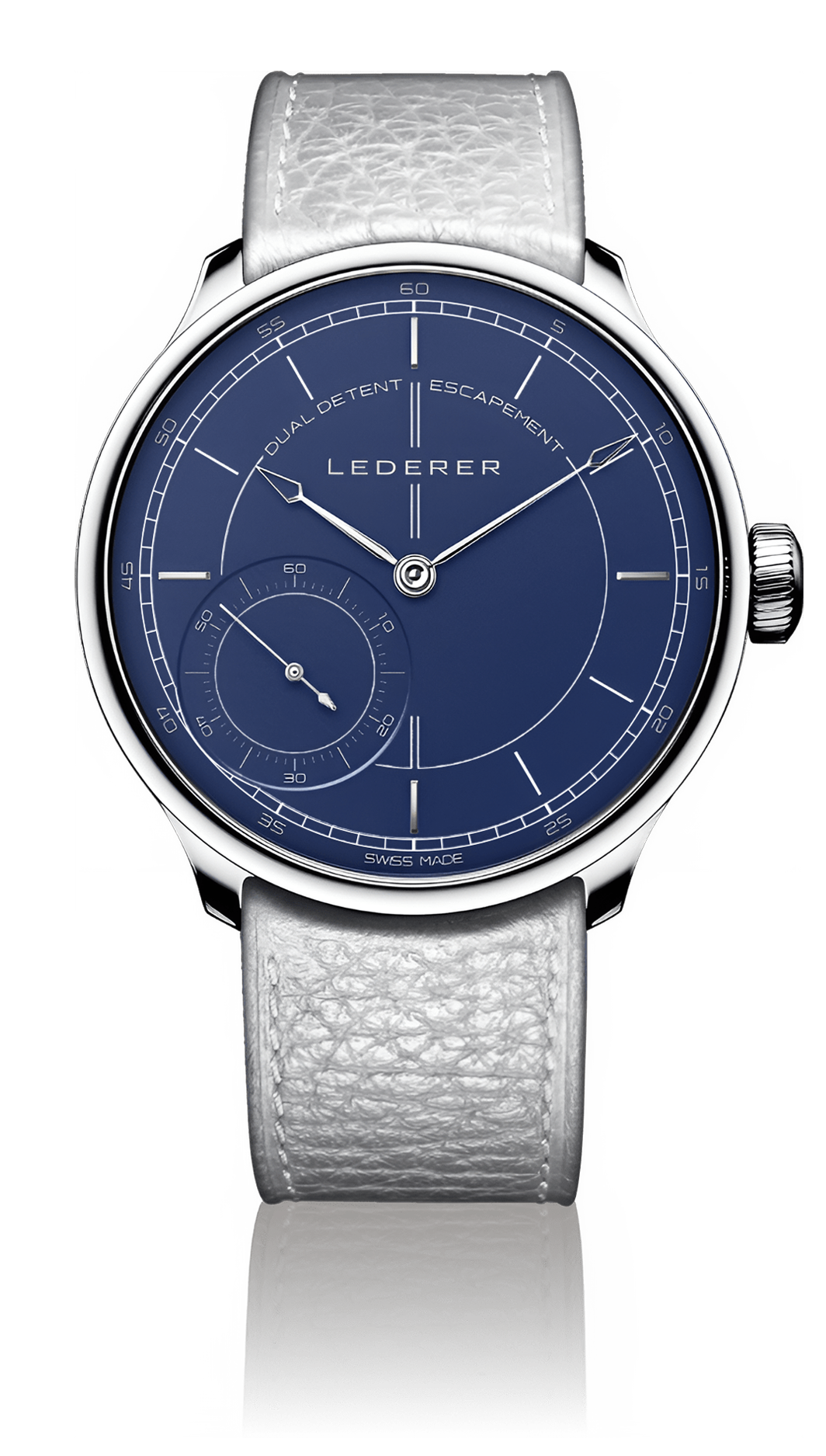
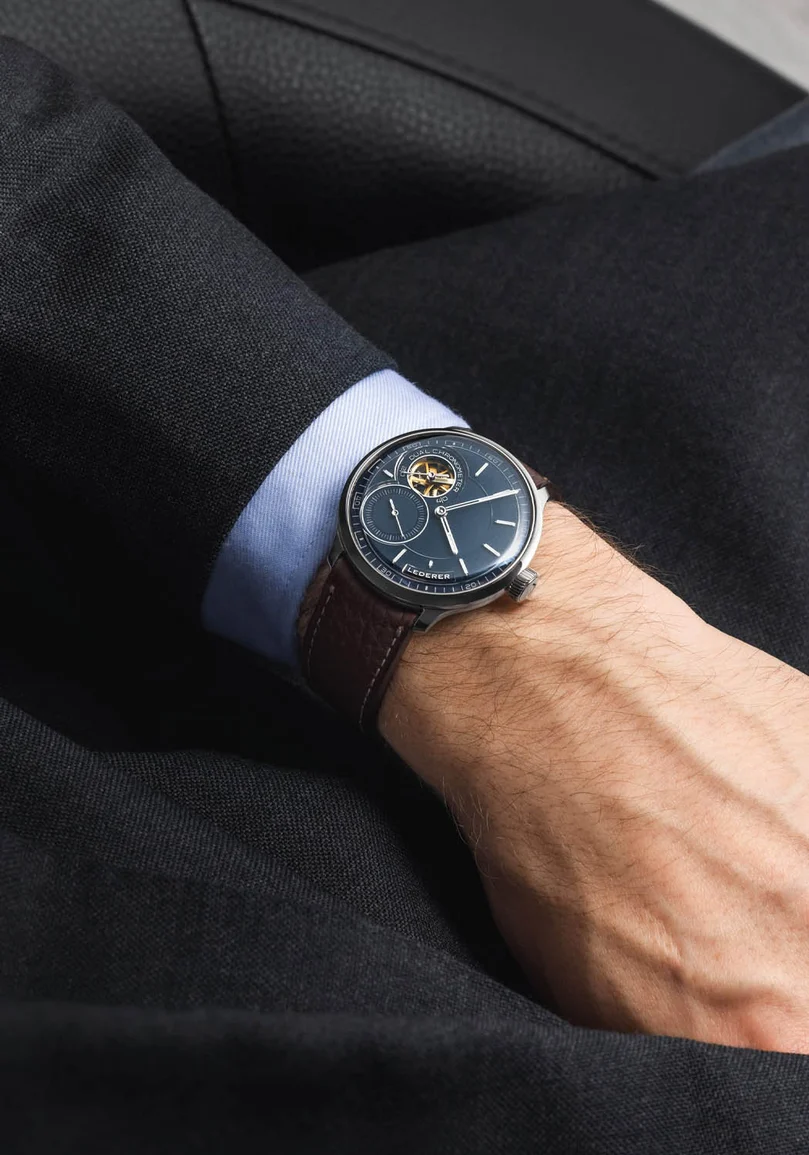
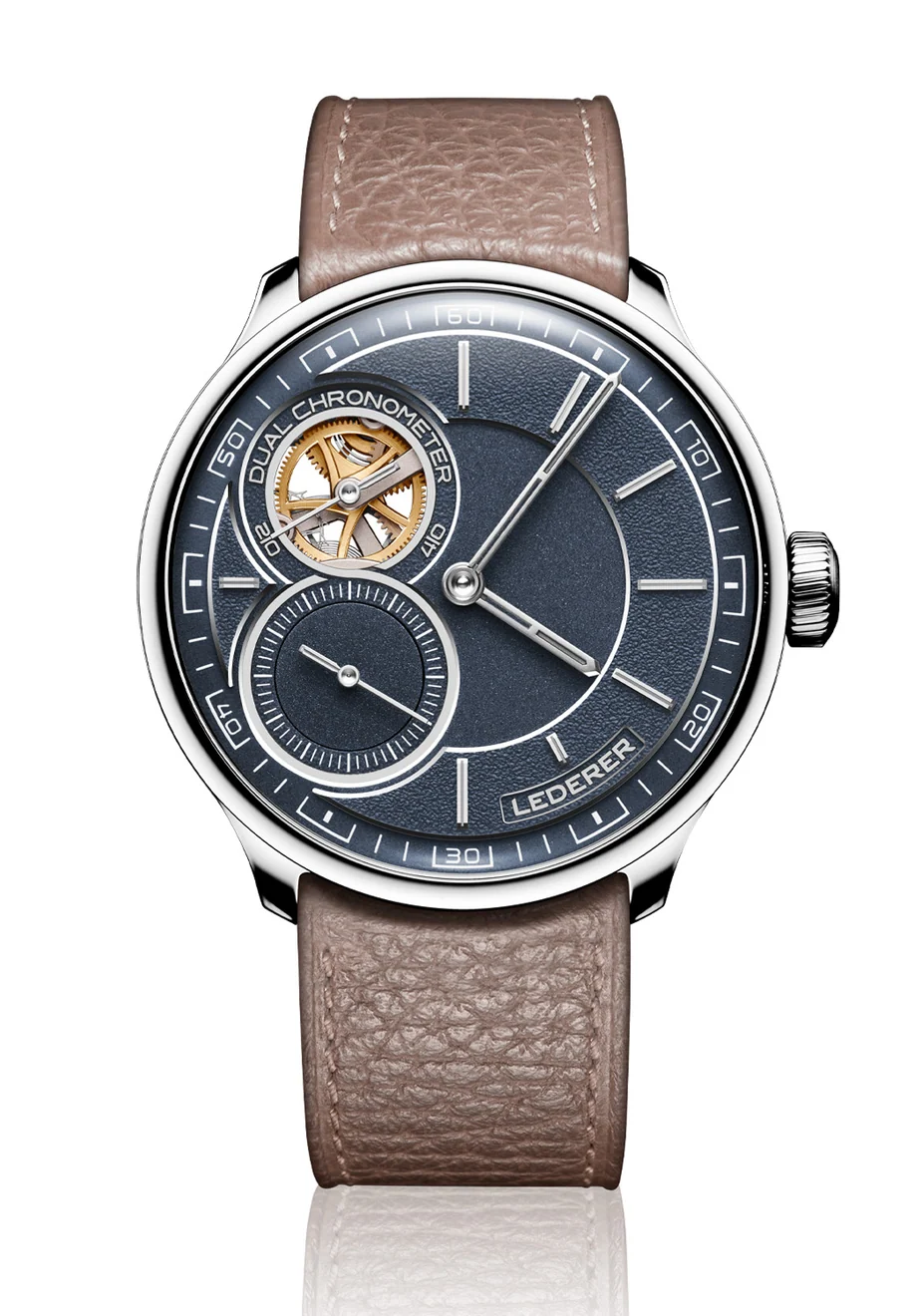
The dial is cleaner, with a more conventional arrangement of hour markers and a small-seconds display. Its vertical meridian-inspired detail connects the visual design to the historical relationship between chronometry and navigation.
Longitude was one of the great practical problems of maritime exploration. Determining a ship’s position at sea required the ability to compare local time with a reliable reference time. Marine chronometers became indispensable instruments in this process.
The name Longitude therefore carries a deeper meaning. It refers not simply to a visual motif, but to the historical importance of precise timekeeping in determining geographical position.
The contrast between the relatively restrained dial and the highly complex movement is one of the watch’s strongest qualities. From the front, the watch can appear composed and almost minimal. From the back, its mechanical architecture reveals a far more elaborate personality.
Fratello’s hands-on review particularly appreciated this duality, noting the watch’s wearable dimensions, the clarity of its dial, and the striking depth of the movement when viewed through the curved sapphire caseback.
This is perhaps the most successful expression of Lederer’s ability to combine technical ambition with visual restraint.
InVerto: Turning the Movement into the Dial
The InVerto Titanium takes the idea of mechanical transparency further.
Rather than presenting the movement primarily through the caseback, the InVerto reverses the visual hierarchy. The movement becomes the principal face of the watch.
The 39 mm titanium case provides a setting for an exposed mechanical architecture, with the hands positioned above the movement. The result is a timepiece in which the balance between dial and mechanism is fundamentally reconsidered.
The reverse side is comparatively restrained, with a secondary display and a more conventional visual treatment.
The concept is not simply to produce another skeletonized watch. Skeletonization often removes material from bridges and plates to reveal the movement. The InVerto instead changes the orientation of the movement’s presentation, allowing the mechanical architecture itself to become the primary visual experience.
Fratello’s hands-on coverage described the effect as an unusually compelling reversal, with the movement’s visible components creating a distinctive aesthetic. The comparison with the Bulova Accutron Spaceview was especially interesting, not because the two watches share the same mechanism, but because both make the inner workings central to the visual identity.
The InVerto is a watch for a collector who wants to observe mechanics directly. It is also a reminder that Lederer’s design philosophy is not limited to the classical chronometer format.
The Three-Times Certified Observatory Chronometer: Precision as a Demonstration
In 2024, Lederer introduced the Three-Times Certified Observatory Chronometer, which received the Chronometry Prize at the Grand Prix d’Horlogerie de Genève.
This creation is particularly significant because it shifts the discussion from mechanical innovation toward the formal testing of chronometric performance.
The watch uses the Central Impulse Chronometer architecture, but its defining feature is the additional testing undertaken at several institutions. The movement was certified by COSC and subjected to testing at observatories in Besançon, Glashütte, and Geneva.
The project is rooted in the historic tradition of observatory chronometer competitions. These competitions were once among the most prestigious demonstrations of a watchmaker’s ability to achieve exceptional precision. They represented a culture in which timekeeping performance was measured, tested, and compared under rigorous conditions.
The Three-Times Certified Observatory Chronometer revives this tradition in a contemporary context.
The watch is produced in an extremely limited edition of eight pieces. It uses a 44 mm 904L stainless-steel case and a solid silver dial. The movement’s architecture remains central, but the design is more cohesive and restrained than some of the earlier CIC expressions.
Hodinkee’s hands-on review described it as the most cohesive Lederer release to date. The publication praised the updated design and the clarity of the watch’s visual language, while also offering critical observations about the original CIC’s dial arrangement and the substantial dimensions of the 44 mm case.
This balance between admiration and critique is important. The watch’s chronometric achievement is extraordinary, but its aesthetic success is a separate question. Lederer’s work is strongest when the mechanical concept and the exterior design reinforce one another.
The Observatory Chronometer is an example of this alignment.
Chronometry: The Difference Between Complexity and Precision
One of the most important aspects of Lederer’s work is the distinction between mechanical complexity and chronometric performance.
A watch can contain an extraordinary number of complications without necessarily being exceptionally accurate. Conversely, a comparatively simple watch can achieve remarkable precision if its regulating system is carefully designed and adjusted.
Lederer’s work is directed toward the second objective.
The Central Impulse Chronometer does not seek to impress through the number of functions displayed. It seeks to improve the fundamental process by which time is regulated.
This distinction is essential to understanding the brand’s position within haute horlogerie.
The CIC is not a perpetual calendar, a minute repeater, or a conventional tourbillon watch. Its complexity is concentrated in the escapement and energy transmission system. The movement is designed around a single central ambition, and its technical architecture follows from that objective.
This concentration gives the watch a particular intellectual coherence.
The 100,000-Gauss Paramagnetic Watch: Engineering Beyond the Traditional Luxury Context
Lederer’s work has also extended beyond the world of traditional luxury watchmaking.
In 2016, he developed a paramagnetic movement intended for German military applications, particularly for specialized naval personnel involved in mine clearance.
The project addressed a very different requirement from the CIC. The objective was not simply to maintain timekeeping in a strong magnetic field. It was to minimize the watch’s magnetic signature, an important distinction in a context where magnetic detection could be relevant.
The movement was reported to withstand exposure to a magnetic field of 100,000 gauss.
This achievement illustrates the breadth of Lederer’s technical thinking. His research is not confined to aesthetic innovation or the conventional complications associated with high-end watches. It can also be directed toward highly specific engineering requirements.
The paramagnetic project is therefore an important part of the brand’s history. It demonstrates an approach in which the watchmaker begins with a mechanical problem and develops a solution through research.
It also reinforces the idea that horology, at its most ambitious, can be a form of applied engineering.
The Manufacture: Independence as a Technical Capability
LEDERER’s manufacture is located in Saint-Blaise, near Neuchâtel, Switzerland.
The brand states that approximately 98% of its production is handled in-house, including the development and manufacture of movements, dials, hands, and key components.
This degree of vertical integration is significant for a small independent manufacture.
In-house production is not simply a marketing statement about exclusivity. In the context of Lederer’s work, it supports the development of unusual movement architectures. The ability to design, produce, finish, assemble, and adjust components within the same manufacture allows the watchmaker to maintain greater control over the technical details of the system.
For a movement such as the CIC, this control is particularly important.
The double-wheel escapement and its twin energy trains require a level of coordination that would be difficult to achieve if the movement were treated as a conventional assembly of standardized components.
The manufacture’s independence therefore contributes directly to its identity.
It also introduces a practical consideration. Highly specialized movements require specialized knowledge for assembly, adjustment, and servicing. The long-term relationship between the manufacture and its owners becomes an important part of the ownership experience.
Finishing: The Supporting Language of the Movement
The finishing of a LEDERER movement is intended to reinforce its architecture.
Surfaces include satin finishing, graining, bead blasting, hand-beveled edges, polished steel components, and carefully treated bridges. These techniques create contrast between different elements and emphasize the depth of the movement.
The finishing is not necessarily designed to imitate the decorative traditions of classical Geneva watchmaking. Instead, it often supports a more contemporary and architectural presentation.
This is one of the interesting points raised by independent reviews.
Hodinkee’s assessment of the Three-Times Certified Observatory Chronometer acknowledged the movement’s finishing while suggesting that the principal reason to acquire the watch is its chronometric achievement rather than decorative finishing alone.
This is a useful distinction.
At this level of watchmaking, finishing is expected to be exceptional. However, Lederer’s defining contribution is not simply the refinement of surfaces. It is the underlying mechanical architecture.
The finishing serves the mechanism, rather than becoming the primary reason for its existence.
The Collector’s Perspective: What Makes Lederer Compelling?
The independent watchmaking community has responded to Lederer with considerable respect, particularly among collectors interested in technical innovation.
The brand occupies an unusual position. Its watches are extraordinarily expensive, produced in very small numbers, and technically demanding. Yet it does not rely on the same degree of mainstream visibility as many established luxury brands.
This relative discretion is part of its appeal.
Collector discussions often emphasize the originality of the movement, the depth of the finishing, and the sense that the watches are the outcome of a genuine technical pursuit rather than a commercial trend. At the same time, the price is frequently identified as a major barrier.
This is not an insignificant consideration. With prices commonly positioned well above CHF 150,000 for recent CIC expressions, Lederer operates in a market where the purchase decision is not based on mechanical merit alone.
Collectors must also consider design preference, exclusivity, ownership experience, service continuity, and the value they place on independent authorship.
The brand’s appeal is therefore highly specific. It is particularly compelling to those who regard the escapement as one of the most intellectually interesting elements of mechanical watchmaking.
For such collectors, Lederer offers something difficult to replicate: a watch whose central achievement is not immediately obvious to the casual observer, but becomes increasingly fascinating as its mechanical principles are understood.
A Critical Perspective: Where the Brand’s Ambition Meets the Collector’s Expectations
The most meaningful assessment of Lederer should not be limited to praise.
Its technical ambition is extraordinary, but the brand also operates within a demanding luxury market. The relationship between innovation, design, wearability, price, and long-term ownership deserves careful consideration.
The question of wearability
The original 44 mm CIC is substantial. Although its architecture and case construction create a distinctive presence, the dimensions may not suit every wrist or every collector’s preference.
The CIC 39 addresses this concern successfully. Its smaller proportions demonstrate that the brand can retain its technical identity while offering a more wearable format.
This is an important development rather than a cosmetic adjustment.
The question of dial design
The early CIC’s overlapping apertures and dual-seconds display are mechanically meaningful, but their visual effect is subjective.
Some collectors find the display compelling because it communicates the movement’s unusual architecture. Others may find it less cohesive than a conventional three-hand dial.
Hodinkee’s review of the original CIC and the later Observatory Chronometer reflected this distinction, suggesting that the revised design was more unified and approachable.
The CIC 39 Longitude and the Observatory Chronometer show how Lederer has continued to refine the relationship between technical content and visual clarity.
The question of finishing
Lederer’s finishing is sophisticated and appropriate to the architecture. Nevertheless, some collectors at this price level may prioritize the highly traditional decorative vocabulary associated with other independent manufactures.
This does not make Lederer’s approach inferior. It makes it different.
Its finishing is more closely connected to the structure of the movement, and the brand’s principal value lies in its mechanical originality.
The question of price
The price is undeniably a major factor.
Lederer’s watches are not simply expensive because they are produced in small numbers. Their movement architecture requires extensive development, specialized manufacturing, and a high level of technical expertise.
Yet the economic value of such a watch remains a subjective decision.
The collector is purchasing a combination of mechanical research, independent authorship, limited production, craftsmanship, and the experience of owning a highly unusual horological object.
The brand’s value proposition is strongest when the buyer understands and appreciates these elements. It is less compelling for someone whose priorities are primarily brand recognition, conventional resale liquidity, or everyday practicality.
LEDERER and the Meaning of Independent Watchmaking
Independent watchmaking is often discussed in terms of freedom.
The freedom to create unconventional designs. The freedom to develop original movements. The freedom to work outside the commercial structures of large watchmaking groups.
But independence also creates responsibility.
An independent watchmaker must establish a coherent identity, develop the technical capabilities required to realize that identity, and maintain a sustainable relationship with collectors. The manufacture must balance experimentation with reliability, originality with usability, and artistic ambition with commercial reality.
Lederer’s career demonstrates this balance in a particularly compelling way.
His work is rooted in historical knowledge, but it is not nostalgic. It is technically ambitious, but it is not driven by complication for its own sake. It is visually distinctive, but its design remains connected to the mechanism.
The Central Impulse Chronometer is the clearest expression of this philosophy. It takes a concept developed by some of the most influential watchmakers in history and attempts to advance it into a contemporary wristwatch.
The CIC 39 demonstrates the potential for miniaturization. The Longitude introduces a more restrained visual language. The InVerto explores a different relationship between the movement and the dial. The Observatory Chronometer places the question of precision into the context of formal testing and historical chronometry.
Together, these watches form a coherent body of work.
The Oceane Istanbul Perspective: Time as a Discipline of Thought
At Oceane Istanbul, the most interesting aspect of LEDERER is not simply the technical sophistication of its watches. It is the relationship between knowledge, craftsmanship, and purpose.
Bernhard Lederer’s work illustrates what happens when a maker approaches a discipline with a deeply focused question and continues to investigate it over decades.
The escapement is not treated as a familiar component that requires only refinement. It becomes a subject of research, a connection to historical knowledge, and an opportunity to reconsider the principles of mechanical timekeeping.
This is a particularly meaningful approach to luxury.
Luxury is often associated with material value, rarity, visual distinction, and prestige. Yet the most compelling independent creations can reveal a different dimension: the value of intellectual commitment.
A LEDERER watch represents an accumulation of knowledge. It carries the traces of historical study, experimentation, engineering, handcraft, and the patience required to transform a complex idea into a functioning mechanical object.
The result is not necessarily a watch that everyone will immediately understand or desire.
It is a watch that rewards curiosity.
Its significance becomes clearer through observation, through understanding the relationship between its components, and through appreciating the challenge of creating a mechanical system whose purpose is to regulate time with exceptional consistency.
This is where Lederer’s work becomes more than a technical achievement. It becomes an expression of a personal philosophy.
Conclusion: The Pursuit of Mechanical Truth
LEDERER stands among the most intellectually focused names in contemporary independent watchmaking.
Bernhard Lederer’s career has been shaped by an enduring fascination with the escapement, from the restoration of historical mechanisms to the development of unconventional clocks, orbital tourbillons, paramagnetic movements, and the Central Impulse Chronometer.
His work is a reminder that the history of watchmaking is not complete.
The principles established by Breguet, Daniels, Harrison, and other great horological minds continue to offer opportunities for investigation. Their ideas can be studied, reconsidered, and developed into new mechanical expressions.
The Central Impulse Chronometer is not simply a tribute to these historical figures. It is an attempt to continue their work.
Through its independent double-wheel escapement, twin gear trains, and constant-force mechanisms, Lederer has created a wristwatch whose central achievement lies in the regulation of time itself.
The subsequent evolution of the CIC demonstrates a continuing effort to balance technical ambition with wearability and design. The 39 mm models, Longitude, InVerto, and Observatory Chronometer reveal a manufacture that is not content to repeat a single achievement, but continues to explore the possibilities of its own mechanical language.
For the collector, LEDERER offers a particular kind of fascination: a watch that does not need to announce its importance through conventional symbols of luxury.
Its value is found in the movement, in the knowledge behind it, and in the persistence of the watchmaker who created it.
In the end, Bernhard Lederer’s pursuit is not simply about making a more complicated watch.
It is about asking a more fundamental question:
How can a mechanical object measure time with greater consistency, and how far can the accumulated knowledge of watchmaking take us toward that objective?
LEDERER is the result of a lifelong attempt to answer that question.
And in that pursuit, time becomes both the subject and the achievement.